 Countertop Harvest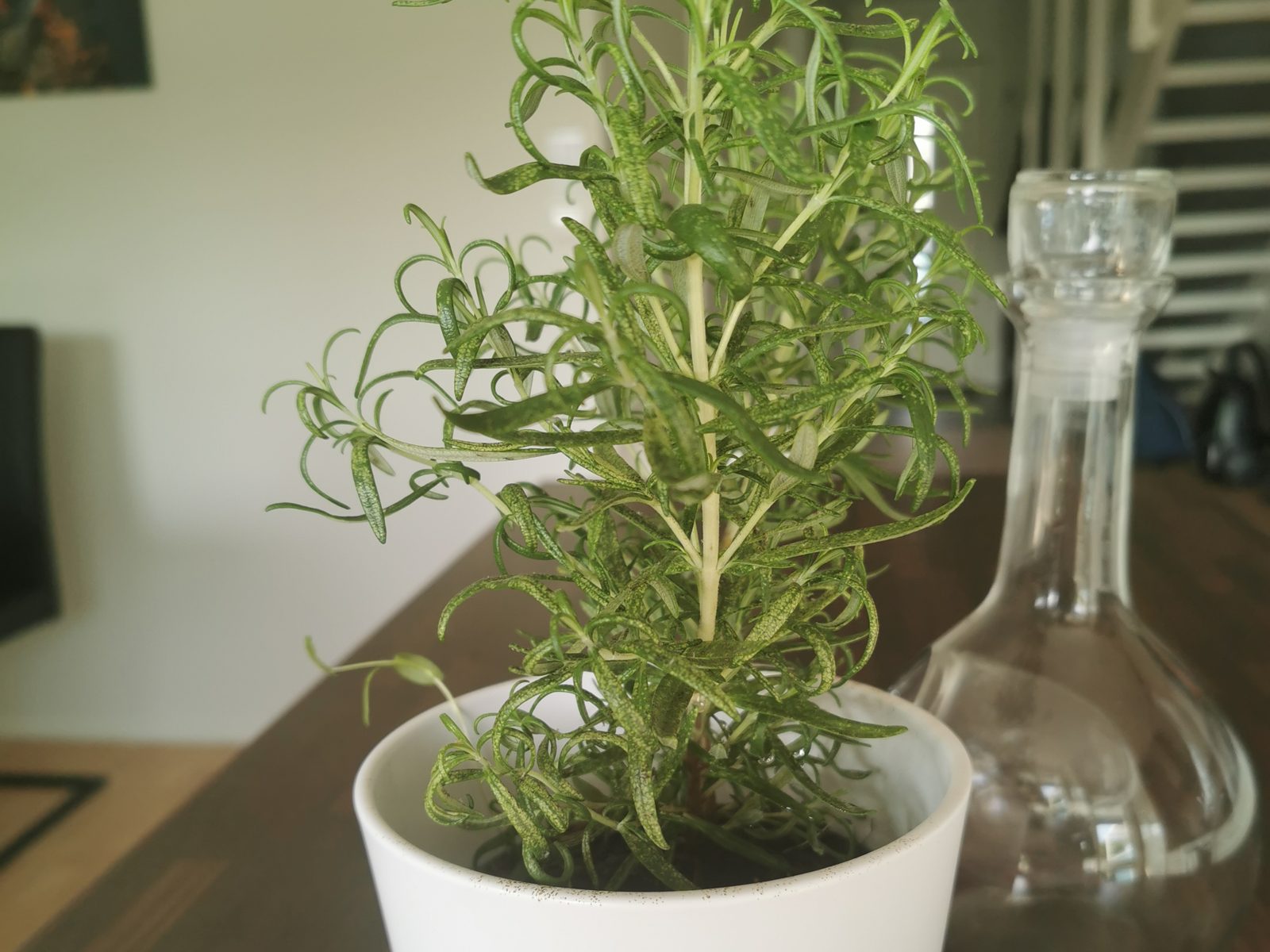
By the Countertop Harvest team · Last updated
We may earn a commission from links on this page. Full disclosure below.
Can you grow rosemary indoors?
Yes, but go in with realistic expectations. The Missouri Botanical Garden calls rosemary "often a difficult plant to overwinter indoors," and UNH Extension says keeping it alive through winter is "a real challenge." Rosemary is a Mediterranean shrub that is only winter hardy in USDA Zones 8–10, so in colder areas it's usually grown in a pot and brought inside for winter. The two things that kill it most are watering mistakes and poor light.
Indoor rosemary at a glance
| Need | What expert sources say |
|---|---|
| Start | A container-grown plant; garden-dug plants often don't survive (UNH). Propagate by cuttings (MBG). |
| Pot and soil | Excellent drainage; wet soil in winter is usually fatal (MBG). Clay pots work well (MBG). |
| Light | Sunny south window; grow lights if under 6 hours of sun (MBG). |
| Temperature | A cool room, about 45–55°F in winter, can improve survival (UNH). |
| Water | Dry on top but not dry throughout (MBG); water thoroughly so it drains (UNH). |
| Air | Good circulation; powdery mildew appears when it's poor (MBG). |
| Pests | Watch for aphids, mealybugs, whiteflies and spider mites indoors (MBG). |
How to grow rosemary indoors, step by step
- Start with a potted plant. UNH Extension says one key to success is starting with a plant that was grown in a container, because plants dug out of the garden often don't survive the stress. The Missouri Botanical Garden notes rosemary is best propagated by cuttings.
- Use a pot with excellent drainage. Wet, poorly drained soil is usually fatal to rosemary (Missouri Botanical Garden). Use a pot with drainage holes; MBG suggests clay pots, and Maryland suggests two parts soilless mix to one part perlite for indoor herbs.
- Give it your sunniest window. The best indoor spot is a sunny southern window. If you can't give it at least 6 hours of sun a day, add a grow light (Missouri Botanical Garden).
- Keep it cool in winter. UNH Extension found a cooler room, around 45–55°F, can improve survival and reduces watering needs. Keep it away from heat vents (Maryland).
- Water carefully. Let the soil dry on top but not all the way through (MBG); UNH says to wait until the mix is very dry, then water until it drains. Overwatering leads to root rot.
- Keep air moving. Powdery mildew often appears when air circulation is poor (MBG). Space plants apart and give it fresh air.
- Harvest lightly. Snip sprig tips as you need them. If you're overwintering a plant, an Ask Extension answer advises not harvesting leaves during winter.
Watering: the hardest part
UNH Extension calls watering "the single most difficult aspect" of keeping rosemary alive through winter: plants can dry out quickly and suffer, but they also rot if kept too moist. Check the soil with your finger every few days. When the top is dry, water thoroughly until it drains, then empty the saucer. In a cool room it will need water less often. Curling leaves are often a sign of moisture stress (UNH).
Light: window or grow light?
A south-facing window is best. In most homes, winter light falls short of rosemary's needs, so the Missouri Botanical Garden suggests a grow light if you can't provide at least 6 hours of sun. Our grow light buying guide compares bars, strips and bulbs, and grow lights for winter herbs covers dark kitchens.
Common indoor rosemary problems
- White powder on leaves: powdery mildew. Improve airflow and remove affected sprigs (MBG).
- Needles browning from the bottom, soggy soil: root rot from overwatering.
- Curling, dry needles: moisture stress; check watering (UNH).
- Tiny webbing or sticky leaves: spider mites, aphids or whiteflies (MBG). UNH suggests a strong spray of water every day or so to knock spider mites off.
- Leggy, pale growth: too little light.
Easier herbs to grow alongside it: chives, mint and parsley. See all beginner picks in the best herbs to grow indoors, or take our free 5-day herb course.
Sources
- Missouri Botanical Garden Plant Finder: Salvia rosmarinus
- UNH Extension: Houseplant winter care Q&A
- Ask Extension: Frozen rosemary?
- University of Maryland Extension: Growing herbs indoors
Frequently asked questions
Is rosemary hard to grow indoors?
It's one of the harder herbs. The Missouri Botanical Garden calls it often difficult to overwinter indoors, mainly because of watering and light.
How much light does indoor rosemary need?
A sunny south window. If it can't get at least 6 hours of sun a day, the Missouri Botanical Garden suggests adding a grow light.
How often should I water indoor rosemary?
There's no fixed schedule. Let the top of the soil dry but not the whole pot (MBG), then water until it drains. In a cool room it needs less water.
Why does my indoor rosemary have white powder on it?
That's usually powdery mildew, which appears when air circulation is poor (MBG). Improve airflow and remove affected sprigs.
What temperature does indoor rosemary like in winter?
UNH Extension says a cooler room, around 45–55°F, can improve survival and reduce watering needs.