 Countertop Harvest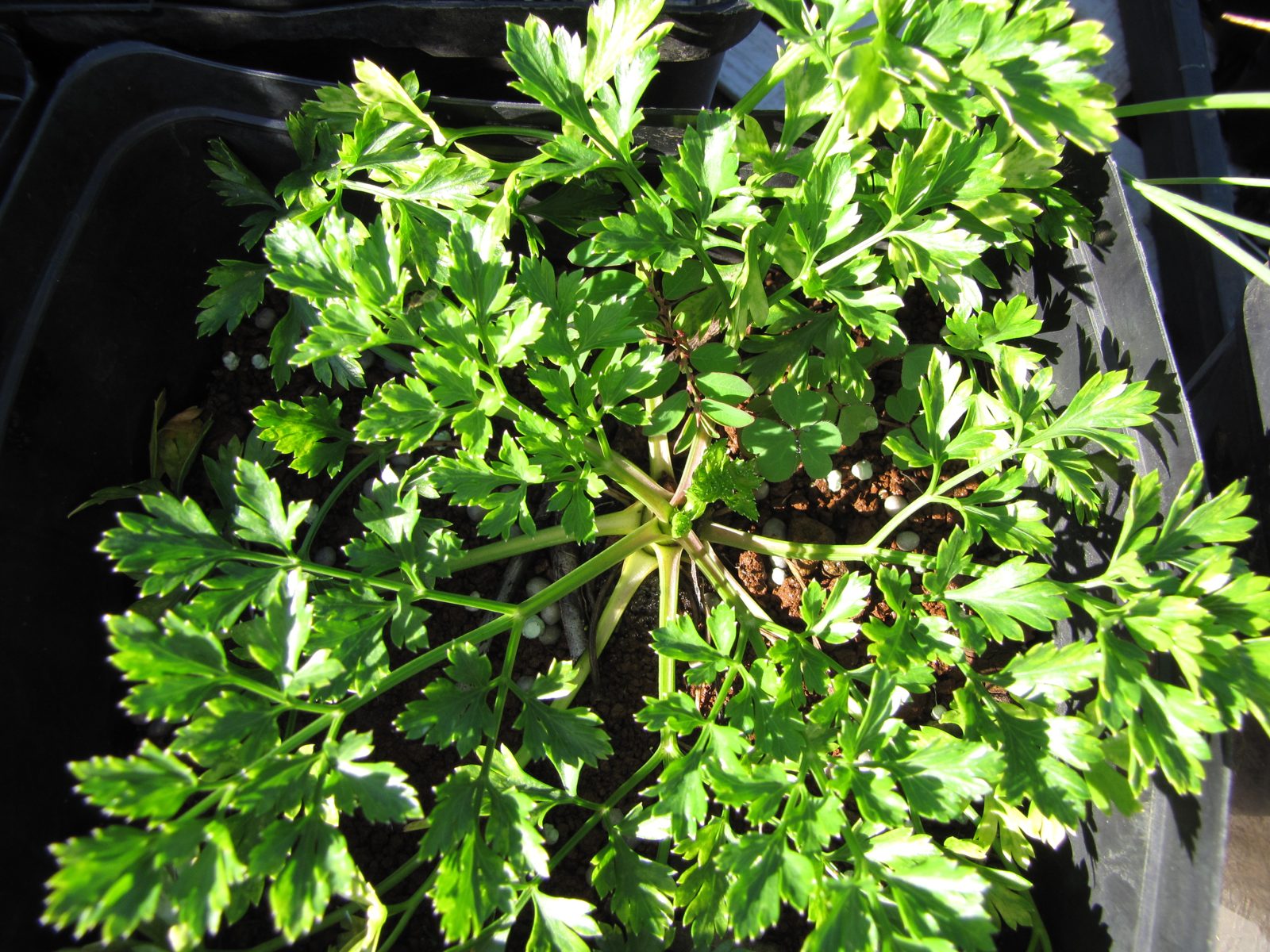
By the Countertop Harvest team · Last updated
We may earn a commission from links on this page. Full disclosure below.
Can you grow parsley indoors?
Yes. UMN Extension calls parsley an easy herb to grow indoors as long as it has a bright location and a pot with drainage holes, and Wisconsin Extension says it can be grown indoors year round. The two things to know: the seed is famously slow to sprout, and plants grown in lower indoor light can be a bit spindly (UMN). Both flat-leaf (Italian) and curly types grow well; Wisconsin notes flat-leaf types have a stronger, sweeter flavor.
Indoor parsley at a glance
| Need | What extension sources say |
|---|---|
| Germination | 2–5 weeks depending on seed freshness (UMN); 10–28 days by variety (UC Master Gardeners). |
| Seed prep | Soak overnight, or up to 24 hours in warm water (UMN, Wisconsin). |
| Sowing | About ⅛ inch deep (UMN); keep evenly moist. |
| Roots | Taproot; disturb it as little as possible (Wisconsin). |
| Light | High light and a cool spot indoors (Illinois); winter grow lights 14–16 hours a day (Maryland). |
| Water and food | Water well and fertilize regularly indoors (Wisconsin). |
| Harvest | From 60–75 days; 2–3 outer sprigs per plant at a time (UC Master Gardeners). |
How to grow parsley indoors, step by step
- Soak the seed overnight. Parsley germination is slow, two to five weeks depending on seed freshness (UMN). Soaking seed in warm water overnight or for up to 24 hours speeds it up (UMN, Wisconsin, Illinois).
- Sow shallowly where it will grow. Cover seed with about ⅛ inch of mix (UMN), ¼ inch at most (UC Master Gardeners), and keep it evenly moist. Parsley has a taproot and doesn't like being moved, so sow in its final pot or disturb roots as little as possible (Wisconsin).
- Use a pot with drainage. Parsley needs holes in the bottom of the pot for drainage (UMN) and a moderately rich, moist, well-drained mix (Illinois).
- Give it bright light and a cool spot. Indoors it grows best in high light and a cool location (Illinois). UMN notes indoor plants can be a bit spindly in lower light; in winter, Maryland suggests grow lights 14–16 hours a day.
- Water well and feed regularly. Keep the plant watered well and fertilize regularly indoors (Wisconsin, NC State).
- Harvest outer stems at the base. Snip outer stalks close to the base; cutting just the tops makes the plant less productive (UMN). UC Master Gardeners suggest starting 60–75 days after planting and cutting only 2–3 sprigs per plant at a time.
- Replace plants yearly. Parsley is a biennial: in its second year it sends up a seed stalk and leaves turn tough and bitter (Illinois), so start new plants each year.
Seeds or a starter plant?
- Seed: cheap, but slow and erratic to germinate even in good conditions (Wisconsin). Mark the pot and be patient.
- Starter plant: NC State notes parsley is easier to grow from seedlings because of the long germination period. Move it gently into a larger pot without disturbing the taproot.
Light: window or grow light?
A bright south or west window with at least five hours of sun works for much of the year. In winter, Maryland Extension says herbs need grow lights for 14–16 hours a day. If your parsley stretches and turns pale, it needs more light. Our grow light buying guide compares bars, strips and bulbs, and how much light herbs need covers hours and distance.
Smart garden with built-in light
e.g. Click & Grow Smart Garden 3
- 3 smart-soil pods, no pump
- 8W light on a 16h on / 8h off timer
- Check Click & Grow's site for current parsley pods
Countertop hydroponic garden
AeroGarden or LetPot
- Light and timer handled for you
- Hydroponic: needs plant food
- Compare them in LetPot vs AeroGarden
Harvesting parsley so it keeps growing
Cut whole stems close to the base, starting with the outside stalks; new growth comes from the centre (UMN). Don't just trim the tops, which leaves the stalks behind and makes the plant less productive (UMN). Take only 2–3 sprigs per plant at a time to keep it vigorous (UC Master Gardeners). Fresh sprigs keep in the fridge crisper for a week or longer.
Common indoor parsley problems
- Nothing has come up after two weeks: normal; germination can take up to five weeks (UMN).
- Spindly, leaning stems: not enough light.
- Wilting after repotting: taproot disturbance; handle roots gently.
- Tall seed stalk and bitter leaves: second-year bolting; start a new plant (Illinois).
Building a herb shelf? See the best herbs to grow indoors for beginners, plus our guides to chives, basil, mint and cilantro.
Sources
- UMN Extension: Growing parsley
- Wisconsin Horticulture: Parsley
- Illinois Extension: Parsley
- NC State Extension: Petroselinum crispum
- UC Master Gardeners of Sonoma County: Parsley
- University of Maryland Extension: Growing herbs indoors
Frequently asked questions
Is parsley easy to grow indoors?
UMN Extension calls it an easy herb to grow indoors as long as it has a bright location and a pot with drainage holes. The seed is just slow to sprout.
How long does parsley take to germinate?
Two to five weeks depending on seed freshness (UMN). Soaking seed overnight in warm water speeds it up.
How do I harvest parsley without killing it?
Snip outer stalks close to the base and let the centre keep growing (UMN). UC Master Gardeners suggest taking only 2–3 sprigs per plant at a time.
Why is my indoor parsley leggy?
Lower indoor light can make parsley spindly (UMN). Move it to a brighter spot or add a grow light for 14–16 hours a day in winter (Maryland).
Flat-leaf or curly parsley indoors?
Both grow indoors. Wisconsin Extension notes flat-leaf types have a more pungent, sweet flavor than curly types.